This will undoubtedly be one of the best-selling graphic novels of the year; and if more than a handful of geekologists, whether mainstream or indie, take note of it, I’ll be surprised.
Welcome to the first in what I hope will be a series looking at film adaptations of comics. Everyone knows, of course, that comics have been hot properties in Hollywood for a while now, as superhero movie after ill-conceived superhero movie stacks up on every self-respecting nerd’s DVD shelf — but there are all kinds of comics, and all kinds of movies being made out of them, and one of my goals is to use film adaptations as an excuse to get around to reading, or revisiting, some of the world’s greatest (or otherwise; Marmaduke got made too) comics.

On the back cover of Lucky in Love, there’s a quote from David Mazzucchelli: “We’re all lucky when Stephen DeStefano draws comics.” Ignore the cutesy pun on the title, and there’s a lot of truth to that.
Graphic novels which attempt ambitious work in a self-consciously “literary” manner are still unusual enough that the appearance of a new one, however successfully it achieves its aims, is always cause for comment. James Sturm has been one of the quieter art-comics auteurs for a while now, steadily mining a seam of historical-realist narratives that rely on no flashy formal play or outrageous social commentary; his stories, like his artwork, are direct, to-the-point, and superbly crafted.
Barney Google was the great picaresque comic strip of the 1920s and 30s. Billy DeBeck’s artwork, more notable for its energy more than for its draftsmanship, was unique on the comics page, a scribbly, gestural line supported by shrewd shading and opulent backgrounds that were more suggested than drawn.
Another year, another slim Jason book. By rights, we should be tired of his shtick by now: poker-faced animal-humans go through the paces of a pulpy plot, with plenty of downtime for eccentric conversational digressions and an inescapable atmosphere of understated ennui.
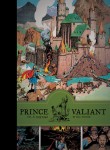
If imitation is the sincerest form of flattery, Hal Foster must be the most highly-flattered American cartoonist of the twentieth century. A generation of newspaper strip cartoonists, two generations of magazine and children’s-book illustrators, and (what are we up to now?) five generations of comic-book artists owe not only their style but an entire method of processing black-and-white images — high contrast, richly detailed, figure-oriented — to Foster.